
Peptide Trials Are Here: The Bold Human Experiments Reshaping Medicine Now |
Beyond the weight-loss headlines, a different set of peptides is moving through human clinical trials for healing injuries, protecting mitochondria, repairing nerves, and targeting the biology of aging itself. Here is what the data actually says. |
Peptides on the Clinical Frontier: What They're Actually Testing in Humans Right Now
The peptide revolution is happening right now, but almost all of the attention is going to one narrow corner of it. You know the names. You have seen the headlines. But there is an entire frontier of peptide science that has nothing to do with appetite or blood sugar, and it is moving through human clinical trials right now while almost nobody is paying attention.
Well just to be clear, an underground of health pioneers is definitely paying attention...
This article is not about the weight-loss peptides you have heard of. A different set of peptides is moving through human clinical trials for healing injuries, protecting mitochondria, repairing nerves, and even targeting the biology of aging itself. You may have never heard their names. Most are not approved by the FDA. But they are the leading edge of what peptide science can do when it moves past weight loss shortcuts and into the territory of actually repairing the body.
My father was a mainstream doctor his entire career, the kind who would have dismissed most of what I write about as fringe. And I get it. The medical establishment trains you to wait for the double-blind, placebo-controlled, multi-center trial before you even look at something. The thing is, some of these peptides have exactly that kind of data. Others have fascinating biology and zero human trials. Knowing which is which, that is the whole game.
To be clear, these types of peptides are pharmaceutical drugs so we are deviating away from the normal natural health content we focus on here at EnergeticSecrets because these have become massively popular in an underground community of online influencers. But this article is also not written to encourage pre-clinical use, talk to your doctor.
The Peptide That Fixes the Power Plants Inside Your Cells
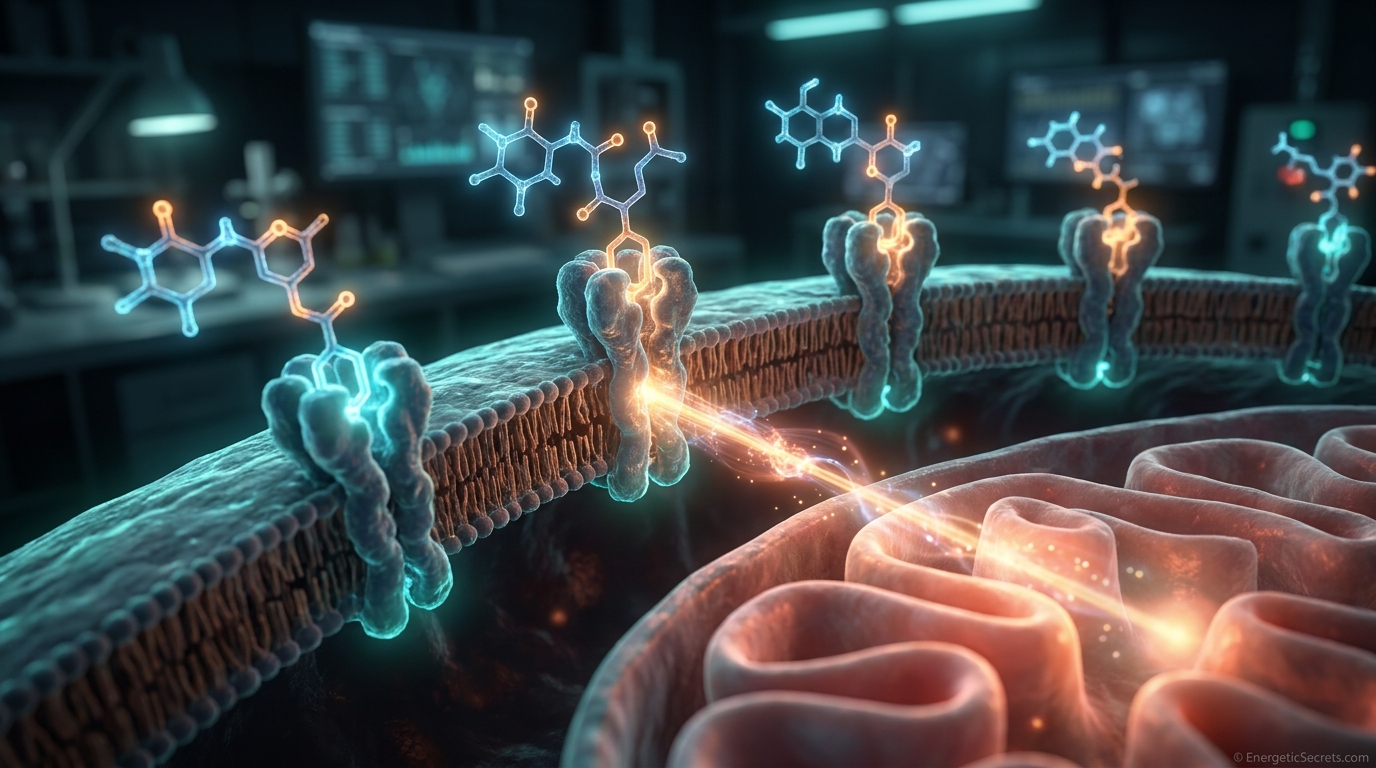 Every one of your cells contains tiny structures called mitochondria. Think of them as the power plants of your cells, they take the food you eat and turn it into energy your body can use. Inside each mitochondrion, there is a special fat molecule called cardiolipin. It acts like the steel beams in a building, holding the energy-making machinery in place so everything runs smoothly.
Here is the problem: when your cells are under stress, those beams get damaged. The machinery collapses. Energy production stops. The cell gets a signal to self-destruct. This is what happens in many mitochondrial diseases, and for decades the pharma industry has been trying, and mostly failing, to create drugs that do anything about it.
Elamipretide (also called SS-31) is a tiny peptide made of just four amino acids. It does something no other approved drug can do: it binds to cardiolipin and protects those beams from damage. It does not replace a missing protein. It does not block a receptor. It simply keeps the power plant's structure intact so energy production can continue. That is a completely different way of treating disease, and frankly it is the kind of approach that makes you wonder why we spent fifty years chasing receptor blockers instead.
Why this matters to you: Mitochondria show up in far more than rare diseases. They wear down with age, with stress, and in common conditions like heart failure and vision loss. A drug that protects mitochondrial structure could one day matter for far more than the rare disease it was first approved for. Keep in mind, your mitochondria are degrading right now as you read this, slowly, yes, but steadily. Understanding what protects them is not academic.
In 2025, elamipretide received accelerated FDA approval for Barth syndrome, a rare genetic disorder that affects young boys, causing heart muscle weakness, muscle wasting, and immune problems (1). It became the first drug ever approved that works by protecting cardiolipin. For a field that has spent decades trying and failing to create mitochondrial medicines, that is a real milestone, the kind that makes you sit up and pay attention.
The road to approval was not easy. A large Phase III trial called MMPOWER-3 tested elamipretide in people with a broader mitochondrial muscle disease. The main goal, how far patients could walk in six minutes, did not improve compared to placebo (2). That result could have ended the drug's story right there, and in the normal pharma playbook it probably would have. But researchers looked closer. They found that patients with a specific type of genetic damage, mitochondrial DNA deletions, did show real improvement (3). The drug worked, but only in the people whose exact problem matched its mechanism.
The lesson was not that elamipretide failed. The lesson was that mitochondrial disease is not one disease. Matching the right patient to the right treatment matters, and that is the kind of nuance that gets lost when you are just reading headlines.
The longest safety study followed Barth syndrome patients for 168 weeks, more than three years, and found the benefits held up over time (4). That is the longest safety record for any mitochondrial-targeted peptide, and it tells you something important: this approach keeps working. It is not a flash in the pan.
Elamipretide is also being tested in eye diseases, and the early results are worth paying attention to, with some real caveats. In a Phase II trial for dry age-related macular degeneration, a leading cause of blindness in older adults, elamipretide did not meet its primary endpoints for visual acuity or the size of the damaged retinal area, but it did show a nominally significant slowing of ellipsoid-zone attenuation, a surrogate marker for photoreceptor damage (5).
In a separate Phase II trial for Leber Hereditary Optic Neuropathy, which causes rapid vision loss in young adults, the drug also missed its primary best-corrected visual-acuity endpoint; the positive signals were post hoc central-field findings and open-label observations, not the trial's confirmed primary result (6).
The eye turns out to be a window into mitochondrial health, and elamipretide is being tested on both sides of that window, but neither of these trials has delivered a clean primary-endpoint win yet. I don't know if the surrogate and secondary signals will hold up in a larger trial, but the pattern is worth watching.
A major 2026 review named elamipretide the leading compound in clinical development for mitochondrial diseases (7). It is the peptide closest to becoming a mainstream medicine outside the GLP-1 class. Plenty of peptides have fascinating mechanisms, so biology alone does not explain that lead. What actually got it there was someone doing the hard, unglamorous work: the formulation science, the stability testing, the large multi-center trials. That is the part most promising peptides never get past, and it is worth remembering the next time you read about some miracle compound that "works in rats."
The Exercise Signal Hidden in Your Own DNA
You probably think of your DNA as the instruction manual stored in the nucleus of every cell. But there is a second, smaller set of DNA inside your mitochondria. For decades, scientists assumed this mitochondrial DNA was a stripped-down genome that only coded for a handful of energy-related proteins. They were wrong, and the discovery that followed is the kind of thing that makes you rethink everything you thought you knew about how your cells communicate.
In 2015, researchers at USC discovered MOTS-c, a 16-amino-acid peptide encoded in that mitochondrial DNA. The discovery was a surprise because MOTS-c does something nobody expected: it leaves the mitochondria, travels to the cell's nucleus, and changes which genes are turned on or off. Your mitochondria turn out to be power plants that also send signals to your nuclear DNA, and MOTS-c is one of the messengers. After all, if your mitochondria can talk directly to your nuclear genome, the whole model of cellular control gets a lot more interesting.
Think of it this way: when a cell is under energy demand, like during exercise, MOTS-c acts like an alarm system. It moves to the nucleus and activates survival programs, including the same energy-sensing pathway triggered by metformin (a diabetes drug) and by exercise itself. It is a built-in stress response that appears to exist across many species, which usually means evolution decided it was worth keeping.
Why this matters to you: Every time you exercise, your mitochondria release MOTS-c into your bloodstream. It is one of the ways your body knows it just worked out. If scientists can understand how to activate this pathway, it could help people who cannot exercise, whether due to injury, illness, or age. And let's be honest, that is a lot of people.
Human data is starting to come in, and it points in a consistent direction. A controlled trial found that a single session of endurance exercise raises MOTS-c levels in the blood of healthy people (8). In plain language: when you work out, your mitochondria pump these peptides into your circulation.
A study of Japanese athletes found that a specific genetic variation in MOTS-c was linked to muscle fiber type and athletic performance (9). Another study in the general population found that people with higher MOTS-c levels tended to have stronger legs (10).
The pattern is clear: more MOTS-c activity goes hand in hand with better metabolic and muscle function. Now, correlation is not causation, I am not saying MOTS-c is the reason these people are stronger, but the consistency across different populations and study designs is the kind of thing that makes you pay attention.
MOTS-c is not in human therapeutic trials yet. It is still in the discovery phase, being measured, studied, and understood. But researchers are exploring whether it could help with metabolic disease and age-related muscle loss. The idea that your mitochondrial DNA talks directly to your nuclear DNA through a peptide messenger is still new, and we are only beginning to understand what that means for medicine. Suffice it to say, this is one of those rabbit holes I will be watching closely.
The Neuroprotective Signal Your Cells Already Make
Humanin is a 24-amino-acid peptide, also encoded in mitochondrial DNA. It was discovered in 2001 when researchers were searching for substances that protect brain cells from the kind of damage seen in Alzheimer's disease. The name tells you what they thought they had found: a peptide that keeps human neurons alive. More than two decades later, the picture is broader and more interesting than anyone expected, which, if you have been following my work for any length of time, is how these things usually go.
Humanin works through a two-part mechanism. First, it activates survival signals inside cells, think of it as flipping the "stay alive" switch. Second, it blocks the machinery that triggers cell death, think of it as jamming the "self-destruct" button. By doing both at once, it protects cells from a wide range of threats beyond the Alzheimer's-related damage it was first identified for. Of course, the body rarely relies on a single mechanism when two will do the job better.
Why this matters to you: Your body is constantly deciding which cells live and which die. Humanin is one of the signals that tips the balance toward survival. Understanding it could matter for brain health, immune function, and how your body handles stress as you age. The thing is, most people have never heard of humanin, and yet it may be one of the most important protective signals your own mitochondria produce.
A 2025 study added a surprising new piece to the puzzle. Researchers found that humanin is produced by a type of immune cell called efferocytic macrophages, the cleanup crew that clears away dead and dying cells. When these macrophages release humanin, it actively helps resolve inflammation (11).
This connects your mitochondria to your immune system in a way nobody had understood before: the same signal that protects your brain cells is also helping your immune system clean up and move on. That is the kind of integrated biology that the reductionist, one-drug-one-target model completely misses.
Keep in mind this also rings strong in the minds of scientists like me who believe strongly in the metabolic theory of cancer. It's also another reason to proceed cautiously in this realm of new peptide therapy because sometimes we want (cancer) cells to die and proceed to the apoptotic state and wouldn't want an over abundance of humanin to prevent that natural process.
Humanin is being measured in human studies as a marker of brain health. A 2023 trial found that in people with Alzheimer's disease, exercise increased the amount of humanin carried in tiny vesicles released by brain cells (12). The finding is early-stage, but the implication is striking: even in a brain affected by disease, exercise triggers a protective mitochondrial signal. Humanin is not yet given as a drug, but it is one of the most closely watched natural protective signals in neurobiology.
I don't know whether we will ever see a humanin-based drug, but the fact that your own cells make this peptide and release it in response to exercise, that alone is worth understanding.
The Wound-Healing Peptide with Real Human Trial Data
 Thymosin beta-4 is a 43-amino-acid peptide with a mechanism that sounds almost too simple to work: it controls actin. Actin is the protein that forms the internal scaffolding of your cells. When a cell needs to move, to close a wound, to build a new blood vessel, to repair damaged tissue, it rearranges its actin scaffolding. Thymosin beta-4 is the traffic controller that tells actin where to go and when.
It has a second trick too. It releases a smaller fragment called Ac-SDKP that calms inflammation and reduces scar tissue formation. One peptide, two complementary jobs, both pointing toward tissue repair. After all, nature tends to be economical, if one molecule can do two useful things, evolution usually keeps it around.
Why this matters to you: Your body heals wounds, repairs heart muscle after damage, and maintains the surface of your eyes using the same basic process, cell migration. Thymosin beta-4 is one of the natural signals that drives that process. Understanding it could lead to better treatments for wounds that will not heal, heart attack recovery, and eye injuries. Keep in mind, chronic wounds alone affect millions of people, and the standard treatments have not changed much in decades.
The human data is not just theoretical. A European Phase II trial, randomized, controlled, and run across multiple centers, found that thymosin beta-4 improved the healing of venous ulcers, a type of chronic wound that can persist for months or years (13). An earlier study reached the same conclusion: the peptide was safe, well-tolerated, and helped wounds close faster (14).
A combined analysis of animal and human data confirmed that it speeds up skin healing (15). These are not huge trials, I am not going to pretend they are, but they are real, randomized, and conducted by independent research groups. That puts them in a different category from the kind of anecdotal reports you see floating around online forums.
The heart applications follow the same logic. After a heart attack, the damaged heart muscle needs to heal. Thymosin beta-4 helps heart muscle cells survive and encourages new blood vessels to grow into the damaged area (16).
A comprehensive 2012 review by Dr. Allan Goldstein and colleagues made the case for thymosin beta-4 as a multi-purpose regenerative peptide with potential uses in wound healing, heart repair, and eye surface disease (17). Goldstein has been working on thymosin peptides for decades, this is not some fly-by-night operation.
On the eye front, an engineered version of the peptide promoted corneal wound healing in a 2025 study (18). A devastating genetic blistering disease called epidermolysis bullosa has been identified as a possible target for thymosin beta-4 treatment (19).
The pattern repeats across different tissues: skin, heart, eye, all responding to the same actin-controlling mechanism. Now, I am not saying thymosin beta-4 is a cure-all. But when the same mechanism shows up across that many tissue types with independent replication, you are looking at something real.
Thymosin beta-4 is not FDA-approved for any condition. But it has completed Phase II trials with positive signals across multiple tissue types, and its mechanism is well-understood and confirmed by multiple independent labs. That combination, independent replication plus real clinical data, puts it in a different category from most experimental peptides. The question is not whether the biology is interesting. The question is whether anyone will fund the Phase III trials.
BPC-157: The Animal Data Is Impressive. The Human Data Does Not Exist.
No experimental peptide generates more discussion than BPC-157, and I have been watching this one for years. It is a stable peptide made of 15 amino acids, originally found in human gastric juice. In animal studies, rats and rabbits, it shows remarkable healing effects across tendons, ligaments, muscle, and gut tissue.
The mechanism is well-documented: it encourages new blood vessel growth, modulates nitric oxide signaling, and interacts with dopamine systems for gut-brain effects. If you read the animal research, it sounds like a near-universal healing compound. And I mean that literally, the preclinical data is some of the most consistent I have seen in any field.
But here is what you need to know, stated as clearly as possible: BPC-157 has zero completed human clinical trials. It is not FDA-approved. Every piece of healing data comes from laboratory animals. One research group, the Sikiric laboratory at the University of Zagreb, led by Dr. Predrag Sikiric, has published roughly 80% of all BPC-157 studies. The preclinical findings are consistent, but they have never been tested in humans. And that gap is everything.
Why this matters to you: BPC-157 is widely discussed online and sold through various channels. The gap between "works in rats" and "works in humans" is not a small step. It is the hardest, most expensive step in drug development, and BPC-157 has not taken it. Understanding this distinction is the difference between following the science and following the hype. I have seen too many people in this space confuse animal data with human proof, and it is a mistake that can cost you.
A 2026 review in the journal Pharmaceutics put the problem plainly: the barrier is "not the absence of biological activity, but the absence of fundamental pharmaceutical science" (20). Nobody has solved the basic problems of formulation, stability testing, and manufacturing at pharmaceutical scale.
A Croatian company called Pliva did early work on BPC-157 for inflammatory bowel disease under the codes PL-10, PLD-116, and PL 14736, but these programs never reached registration trials (21). The trail went cold, and that is the part of the story nobody tells you when they are selling you BPC-157 online.
BPC-157 has also been studied for cancer cachexia, the severe muscle wasting that affects many cancer patients, with animal data suggesting it might help preserve muscle and appetite (22). But again, this is animal research. The gap between a rat study and a human trial is not a formality. It is the hardest step in drug development, and BPC-157 again, has not taken it.
The honest way to put the BPC-157 story is this: the pharmaceutical science needed to turn a promising lab compound into a human medicine has not been done. That is a different problem from lack of effectiveness, and it is the problem that separates BPC-157 from elamipretide. One had a company willing to spend a decade and tens of millions of dollars on Phase II and Phase III trials. The other did not. And in the world of drug development, that is the only difference that matters.
GHK-Cu: Decades of Safety, Zero Drug Trials
GHK-Cu is a naturally occurring peptide made of just three amino acids: glycine, histidine, and lysine, with a copper atom attached. Your body makes it naturally, and its levels drop as you age, which, if you have been paying attention to the pattern, is exactly what you would expect from a molecule involved in tissue maintenance.
It has two main jobs. First, it delivers copper to enzymes that are essential for tissue repair, including the enzyme that cross-links collagen, which gives your skin its strength. Second, it directly changes which genes are turned on or off, shifting older cells toward a more youthful pattern of gene activity (23).
Think of it as a handyman who does two things at once: delivers supplies (copper) to the construction site and rewires the control panel (gene expression) to run the younger, more active program. Of course, the body does not waste resources on single-purpose molecules when a multi-purpose one will do.
Why this matters to you: GHK-Cu is already in many skincare products. Millions of people have applied it to their skin. The decades of safety data from cosmetic use are real. But safety is not the same as proven effectiveness for medical use. Knowing the difference matters when you see it marketed as an anti-aging treatment, and trust me, you will see it marketed that way.
A 2020 review by Dr. Loren Pickart's group, Pickart discovered GHK-Cu back in 1973, documented GHK's ability to reset aging-related gene expression, effectively making older cells behave more like younger ones at the genetic level (24). The copper-free version of the peptide still has some activity, which means it works through multiple mechanisms, not just copper delivery (25). This is not a one-trick molecule, and the fact that it has been studied for nearly fifty years without any serious safety signals is worth noting.
GHK-Cu is widely used in cosmetic products and has decades of safety data from that use. The formulation science has come a long way: researchers have developed liposomal carriers that help it penetrate skin (26), microneedle delivery systems (27), and detailed characterization of how it behaves in topical formulations (28). The delivery problem, which stops many promising peptides in their tracks, has been solved for skin application.
But here is the catch, and it is a big one: GHK-Cu has no randomized controlled trials for wound healing or anti-aging as a drug. The evidence base is mechanism, lab studies, and cosmetic safety, not clinical proof of effectiveness. It is the most studied copper peptide in existence, but it has not crossed the line from cosmetic ingredient to proven therapeutic. Decades of safety data and a well-understood mechanism are not enough. Someone still has to run the actual human trials, and I don't know who is going to fund that when the molecule has been off-patent for decades. That is the quiet tragedy of natural peptides: the ones with the most safety data are often the least likely to ever get a proper drug trial, because there is no exclusivity to protect.
Epitalon: Interesting Science from One Laboratory, Never Independently Confirmed
Epitalon is a synthetic peptide made of four amino acids (Alanine - Glutamic Acid - Aspartic Acid - Glycine). It was developed by the Khavinson research group at the St. Petersburg Institute of Bioregulation and Gerontology in Russia, and if that name sounds familiar, it is because Vladimir Khavinson has been publishing on peptide bioregulators for decades. It is based on a natural substance called epithalamin, a mixture of peptides extracted from the pineal gland, that tiny structure deep in the brain that produces melatonin and helps regulate your sleep-wake cycle.
The idea behind epitalon is genuinely intriguing: a peptide from the pineal gland that might regulate melatonin, activate an enzyme called telomerase (which helps maintain the protective caps on your chromosomes), and influence the biology of aging.
A 2025 review in the International Journal of Molecular Sciences described it as a "highly bioactive pineal tetrapeptide with promising properties" (29). The peptide has been confirmed as a natural component of the pineal gland (30). It is not something invented in a lab. It exists in the human body, and that alone makes it worth understanding.
Why this matters to you: The idea that a natural peptide from your own brain could influence aging is fascinating. But fascinating is not the same as proven. The gap between one group's findings and independent confirmation is where most exciting-sounding discoveries stall out. Understanding that gap is essential for evaluating any anti-aging claim you encounter, and the anti-aging space is absolutely full of claims that sound great until you check who did the research.
The Khavinson group reports human data: epitalon normalized the daily rhythm of melatonin in elderly people and in old monkeys (31). Lab studies have shown it can enhance wound healing in a model of diabetic eye disease through antioxidant mechanisms (32). If these findings are confirmed by independent labs, epitalon would be one of the most interesting aging interventions ever identified. I mean that sincerely, the biology is compelling.
But here is the critical caveat, and it is a big one: all of the human data comes from one research group, published mostly in Russian-language journals, and has never been independently replicated.
The telomerase activation claims in particular have not been validated outside the Khavinson laboratory. The 2025 review is the most accessible English-language summary, but it is a review of the Khavinson group's own work, not an independent confirmation. That distinction matters, and it is the kind of thing you learn to check after you have been burned a few times by exciting-sounding research that never replicates.
Epitalon is genuinely interesting. The idea that a pineal-derived peptide could regulate melatonin and influence aging biology is worth investigating. But the evidence base is not yet strong enough to support clinical claims, and anyone reading about it should understand that limitation. Independent replication is not a bureaucratic hurdle. It is how science separates real signals from noise, and epitalon has not cleared that bar yet.
Nerve Repair Without the Dangerous Side Effect
ARA-290, also called cibinetide, is an 11-amino-acid peptide with a clever backstory. It was engineered from a hormone called erythropoietin, or EPO. You may have heard of EPO in the context of doping scandals in cycling. EPO stimulates red blood cell production, which increases oxygen-carrying capacity, useful for endurance athletes, but dangerous when abused because thicker blood raises the risk of stroke and heart attack.
But EPO has another property that got less attention: it protects and repairs tissue, especially nerve tissue. The problem is that you cannot give someone EPO for tissue repair without also thickening their blood.
ARA-290 was designed to solve exactly this problem. It activates the tissue-repair receptor, called the innate repair receptor, without touching the red blood cell production pathway (33). Tissue protection without the blood-thickening risk. That is the key innovation, and it is the kind of elegant engineering that makes you appreciate what happens when smart people solve a specific problem instead of just throwing a molecule at a disease.
Think of it like a key that only opens one of two doors. EPO opens both: the repair door and the blood-production door. ARA-290 was shaped to only fit the repair door. Same building, different entry. After all, if you can get the benefit without the risk, why wouldn't you?
Why this matters to you: Nerve damage from diabetes, autoimmune disease, or chemotherapy affects millions of people. A treatment that repairs small nerve fibers without dangerous side effects would fill a major gap in medicine. ARA-290 is one of the few peptides that has shown this kind of effect in actual human trials, not rat studies, not cell cultures, but real randomized controlled trials in people.
A Phase II trial in people with type 2 diabetes found that ARA-290 improved both metabolic control and neuropathic symptoms, the pain, numbness, and tingling caused by nerve damage (34). Two separate trials in people with sarcoidosis, an autoimmune disease that damages small nerve fibers, showed that ARA-290 increased nerve fiber density in the cornea of the eye and improved symptoms (35, 36).
A small nine-patient Phase II trial for diabetic macular edema, swelling in the retina caused by diabetes, ran for 12 weeks and found no mean improvement on its primary visual-acuity, retinal-thickness, retinal-sensitivity, or tear-production measures, though some participants and one quality-of-life measure (the NEI VFQ-25) improved, and there were no serious adverse events (37). That is a safety signal and an exploratory hint, not a demonstrated treatment effect. The pattern across the diabetes and sarcoidosis trials is consistent for small nerve fibers, but Phase III is where most drugs fail, and this small edema trial in particular needs a larger, better-powered follow-up before anyone calls it a win.
ARA-290 was also tested in a neuropsychological model with 36 healthy participants to see whether it had an antidepressant-like profile; it produced no mood or affective-symptom effect and did not unequivocally support that profile (38). That is worth noting, and not just for completeness. Not every peptide works for every condition, and the negative data is as important as the positive. It tells you the mechanism has limits, and anyone who only reports the positive results is selling you something.
ARA-290 has completed Phase II trials across multiple conditions with consistent safety and effectiveness signals. It has not reached Phase III or FDA approval, but its mechanism is well-understood and the clinical data comes from independent, multi-center trials. That puts it in the same category as thymosin beta-4: real human data, real safety signals, waiting for the next step. The question, as always, is who pays for that step.
The Peptide Frontier: Why Some Cross the Line and Others Do Not
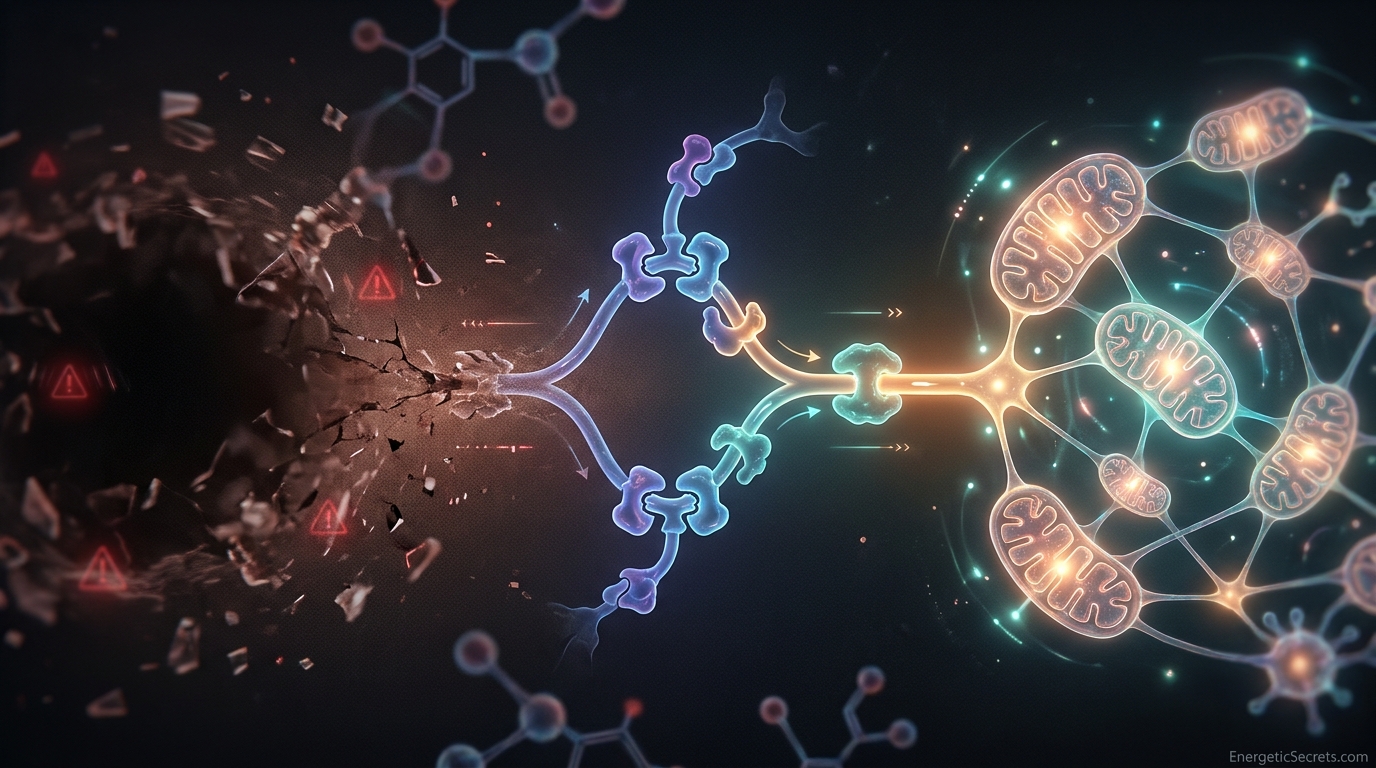 What separates elamipretide, which reached FDA approval, from BPC-157, which has never been tested in humans? It is not biological activity. BPC-157 has some of the most consistent preclinical healing data in the entire peptide field, I have read the studies, and the animal data is genuinely impressive. The difference is something less exciting but far more important: pharmaceutical science.
Elamipretide had a dedicated company, Stealth Biotherapeutics, that spent a decade and tens of millions of dollars on formulation work, stability testing, manufacturing at scale, and multi-center Phase II and Phase III trials. Thymosin beta-4 and ARA-290 had similar development programs, even though they have not yet crossed the approval finish line. BPC-157, MOTS-c, humanin, GHK-Cu, and epitalon have not had that level of investment. The biology is there. The translational science, the hard work of turning a lab finding into a medicine, is not.
Why this matters to you: The peptide world is full of compounds with fascinating mechanisms and impressive animal data. But the gap between "works in a lab" and "proven in humans" is enormous. It is not a gap that closes by itself. It closes when someone invests the time, money, and scientific rigor to run the trials. Understanding this distinction is the single most important tool for evaluating any peptide you read about, and if you spend any time in this space, you will read about a lot of them.
The peptide pipeline outside the GLP-1 class is real. It includes compounds with Phase III data, Phase II signals, and preclinical findings that demand clinical follow-up. The barrier here is the gap between a fascinating mechanism and the rigorous, expensive work of proving it works in humans, and that gap closes only with the kind of sustained investment that turned a cardiolipin-protecting tetrapeptide into an FDA-approved drug.
In closing, I want to be clear about something.
Since this was a rather dense post, we covered eight peptides, three decades of research, and the difference between real clinical data and animal studies, I will leave you with this. The next time someone tells you about a peptide that "cures everything," ask them one question: has it been tested in humans? If the answer is no, you know exactly where it sits on the frontier. Sadly they may not even know the answer to that question.
Please share your thoughts in the comments below. What peptides have you been following, and what is your take on the gap between animal data and human trials? Share this with anyone you feel would benefit from understanding what is actually being tested, and what is still waiting for its moment. And as usual, you can find more deep dives like this one at EnergeticSecrets.com.
Disclaimer: I am not a health professional of any kind and make no medical claims. Please do your own research. Nothing in this article should be considered medical advice. None of the statements have been evaluated by the FDA. Not intended to diagnose, treat, cure or prevent any disease. If you have a medical condition seek professional help.
1. Zhao C et al. Elamipretide receives FDA accelerated approval for Barth syndrome. Drug Discov Ther. 2026 Jan. PMID 41260682. https://pubmed.ncbi.nlm.nih.gov/41260682/
2. Karaa A et al. MMPOWER-3 Phase III RCT: elamipretide in primary mitochondrial myopathy. Neurology. 2023 Jul. PMID 37268435. https://pubmed.ncbi.nlm.nih.gov/37268435/
3. Karaa A et al. Post hoc analysis of MMPOWER-3: mtDNA deletion subgroup. Orphanet J Rare Dis. 2024 Nov. PMID 39574155. https://pubmed.ncbi.nlm.nih.gov/39574155/
4. Thompson WR et al. TAZPOWER 168-week open-label extension. Genet Med. 2024 Jul. PMID 38602181. https://pubmed.ncbi.nlm.nih.gov/38602181/
5. Ehlers JP et al. ReCLAIM-2 Phase II: elamipretide for dry AMD. Ophthalmol Sci. 2025 Jan-Feb. PMID 39605874. https://pubmed.ncbi.nlm.nih.gov/39605874/
6. Karanjia R & Sadun AA. Phase II RCT: topical elamipretide for LHON. Ophthalmology. 2024 Apr. PMID 37923251. https://pubmed.ncbi.nlm.nih.gov/37923251/
7. Wang LT & Jhuang HY. Clinical development in primary mitochondrial diseases. Biomed Pharmacother. 2026 Aug. PMID 42361626. https://pubmed.ncbi.nlm.nih.gov/42361626/
8. von Walden F et al. Acute endurance exercise stimulates circulating mitochondrial-derived peptides. J Appl Physiol. 2021 Sep. PMID 34351816. https://pubmed.ncbi.nlm.nih.gov/34351816/
9. Kumagai H et al. MOTS-c K14Q polymorphism and muscle performance in athletes. Biochim Biophys Acta Gen Subj. 2022 Feb. PMID 34728329. https://pubmed.ncbi.nlm.nih.gov/34728329/
10. Domin R et al. MOTS-c serum concentration and muscle strength. Int J Mol Sci. 2023 Oct. PMID 37834399. https://pubmed.ncbi.nlm.nih.gov/37834399/
11. Maraux M et al. Humanin produced by efferocytic macrophages promotes resolution of inflammation. Cell Death Dis. 2025 Aug. PMID 40877234. https://pubmed.ncbi.nlm.nih.gov/40877234/
12. Delgado-Peraza F et al. Neuron-derived extracellular vesicles and exercise in Alzheimer's disease. Alzheimers Res Ther. 2023 Sep. PMID 37730689. https://pubmed.ncbi.nlm.nih.gov/37730689/
13. Guarnera G et al. Phase II European multicenter RCT: thymosin beta-4 for venous ulcers. Ann N Y Acad Sci. 2010 Apr. PMID 20536470. https://pubmed.ncbi.nlm.nih.gov/20536470/
14. Guarnera G et al. European prospective randomized study: thymosin beta-4 for venous ulcers. Ann N Y Acad Sci. 2007 Sep. PMID 17495250. https://pubmed.ncbi.nlm.nih.gov/17495250/
15. Treadwell T et al. Thymosin beta-4 accelerated dermal healing. Ann N Y Acad Sci. 2012 Oct. PMID 23050815. https://pubmed.ncbi.nlm.nih.gov/23050815/
16. Crockford D. Thymosin beta-4 in development for ischemic heart disease. Ann N Y Acad Sci. 2007 Sep. PMID 17947592. https://pubmed.ncbi.nlm.nih.gov/17947592/
17. Goldstein AL et al. Thymosin beta-4 as multi-functional regenerative peptide. Expert Opin Biol Ther. 2012 Jan. PMID 22074294. https://pubmed.ncbi.nlm.nih.gov/22074294/
18. Nguyen J et al. Engineered tandem thymosin peptide for corneal wound healing. Invest Ophthalmol Vis Sci. 2025 Nov. PMID 41235866. https://pubmed.ncbi.nlm.nih.gov/41235866/
19. Fine JD. Epidermolysis bullosa: possible clinical utility of topical thymosin beta-4. Ann N Y Acad Sci. 2007 Sep. PMID 17468231. https://pubmed.ncbi.nlm.nih.gov/17468231/
20. Mateescu DM et al. BPC-157 comprehensive review: pharmaceutical science barriers. Pharmaceutics. 2026 May. PMID 42198317. https://pubmed.ncbi.nlm.nih.gov/42198317/
21. Sikiric P et al. BPC-157 in trials for IBD (PL-10, PLD-116, PL 14736). Inflammopharmacology. 2006 Dec. PMID 17186181. https://pubmed.ncbi.nlm.nih.gov/17186181/
22. Kang EA et al. BPC-157 for cancer cachexia. Curr Pharm Des. 2018. PMID 29898649. https://pubmed.ncbi.nlm.nih.gov/29898649/
23. Pickart L et al. GHK peptide as natural modulator of skin regeneration. Biomed Res Int. 2015. PMID 26236730. https://pubmed.ncbi.nlm.nih.gov/26236730/
24. Dou Y et al. GHK as anti-aging peptide. Aging Pathobiol Ther. 2020. PMID 35083444. https://pubmed.ncbi.nlm.nih.gov/35083444/
25. Choi HR et al. Copper-free GHK stimulates stem cell recovery in skin. J Pept Sci. 2012 Nov. PMID 23019153. https://pubmed.ncbi.nlm.nih.gov/23019153/
26. Dymek M et al. Liposomes as carriers of GHK-Cu for cosmetic application. Pharmaceutics. 2023 Oct. PMID 37896245. https://pubmed.ncbi.nlm.nih.gov/37896245/
27. Li H et al. Microneedle-mediated delivery of copper peptide through skin. Pharm Res. 2015 Aug. PMID 25690343. https://pubmed.ncbi.nlm.nih.gov/25690343/
28. Badenhorst T et al. Physicochemical characterization of GHK for wound healing. Pharm Dev Technol. 2016 Mar. PMID 25384620. https://pubmed.ncbi.nlm.nih.gov/25384620/
29. Araj SK et al. Epitalon comprehensive review. Int J Mol Sci. 2025 Mar. PMID 40141333. https://pubmed.ncbi.nlm.nih.gov/40141333/
30. Khavinson VK et al. Identification of peptide AEDG in pineal gland. Bull Exp Biol Med. 2017 Nov. PMID 29124531. https://pubmed.ncbi.nlm.nih.gov/29124531/
31. Korkushko OV et al. Pineal gland peptides normalized melatonin rhythm in elderly. Adv Gerontol. 2007. PMID 17969590. https://pubmed.ncbi.nlm.nih.gov/17969590/
32. Gatta M et al. Epitalon enhanced wound healing in diabetic retinopathy model. Stem Cell Rev Rep. 2025 Aug. PMID 40493162. https://pubmed.ncbi.nlm.nih.gov/40493162/
33. Collino M et al. Flipping the molecular switch for innate protection and repair. Pharmacol Ther. 2015 Jul. PMID 25728128. https://pubmed.ncbi.nlm.nih.gov/25728128/
34. Brines M et al. ARA-290 improved metabolic control and neuropathic symptoms in type 2 diabetes. Mol Med. 2015 Mar. PMID 25387363. https://pubmed.ncbi.nlm.nih.gov/25387363/
35. Culver DA et al. Cibinetide improved corneal nerve fiber abundance in sarcoidosis. Invest Ophthalmol Vis Sci. 2017 May. PMID 28475703. https://pubmed.ncbi.nlm.nih.gov/28475703/
36. Dahan A et al. ARA-290 improved symptoms in sarcoidosis-associated small nerve fiber loss. Mol Med. 2013 Nov. PMID 24136731. https://pubmed.ncbi.nlm.nih.gov/24136731/
37. Lois N et al. Phase 2 clinical trial: cibinetide for diabetic macular edema. J Clin Med. 2020 Jul. PMID 32674280. https://pubmed.ncbi.nlm.nih.gov/32674280/
38. Cerit H et al. ARA-290 for depression: negative results. Eur Neuropsychopharmacol. 2015 Dec. PMID 26431906. https://pubmed.ncbi.nlm.nih.gov/26431906/
|



6 Comments
Join the conversation
Honest question, do you think MOTS-c will ever get to a human trial or is it just going to stay in the research phase forever? The part about mitochondrial DNA talking to nuclear DNA was genuinely surprising to me and now I want to know more.
For MOTS-c I think there are a number of stages to get through before human trials so it's hard to say at this point.
The GHK-Cu part hit home. My wife has been using a serum with it for two years because someone told her it was basically proven. The point about cosmetic safety not being the same as clinical proof is something she needed to hear from someone other than me.
Appreciate that you included the negative results for ARA-290 and the depression trial. Most people writing about peptides online would just skip that part. Makes me trust the rest of the article a lot more.
I had no idea elamipretide actually got FDA approval this year. Been following mitochondrial research for a while and somehow missed that. The Barth syndrome angle is fascinating, those kids have had almost nothing for so long.
The BPC-157 section is what I needed to read. So many people in the wellness groups I'm in talk about it like it's a done deal and it has never even been tested in humans. Good to finally see someone say that clearly.