
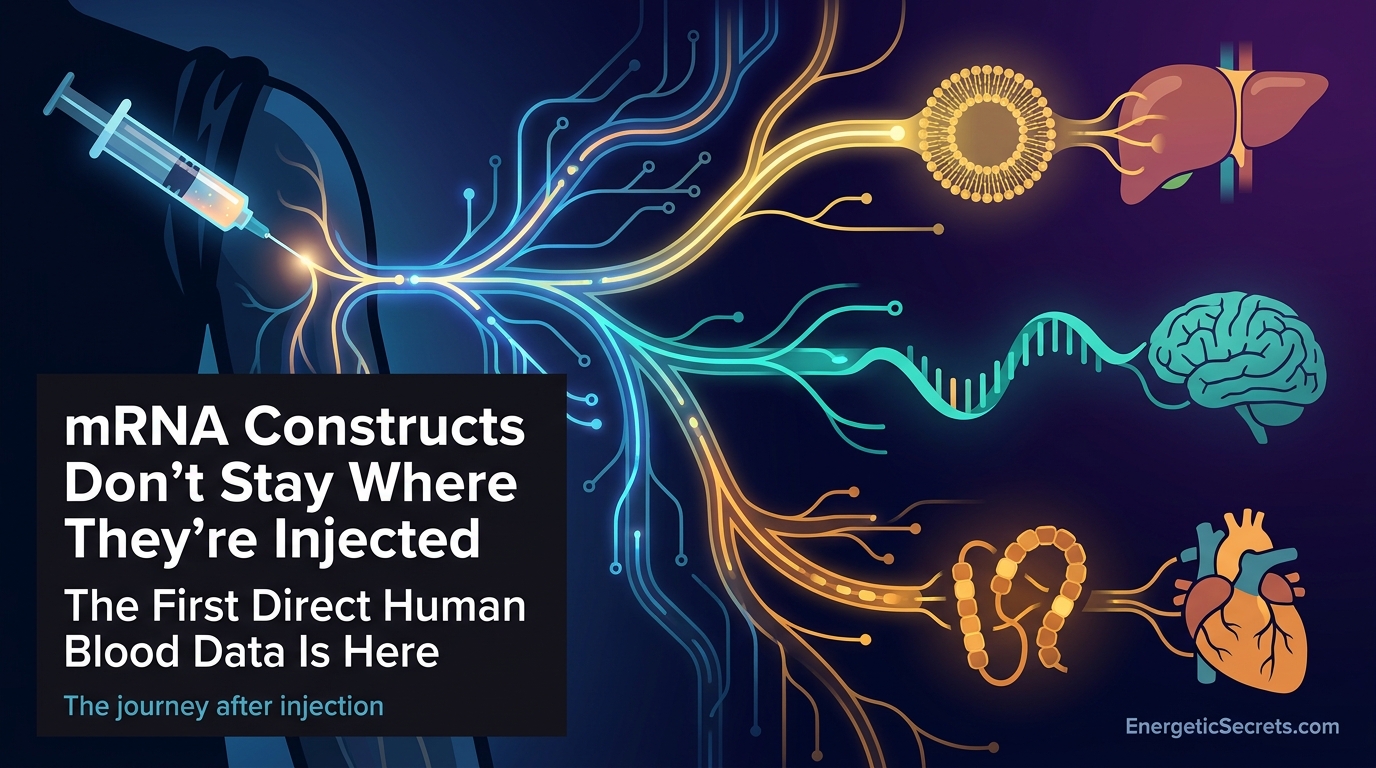
They Knew in 2021: Pfizer’s Own Data Showed the Vaccine Leaving the Injection Site |
It reached the liver and ovaries in rats. The public was told it stayed in the arm. |
The synthetic biology revolution didn't wait for permission. While regulators debated frameworks and bioethicists published position papers, lipid nanoparticle (LNP) technology went from laboratory curiosity to global deployment in under two years. Billions of doses. Unprecedented speed. And a question that, in 2026, we still cannot fully answer: where exactly do these constructs go once they enter the human body, and how long do they stay there?
The early conversation, back in 2021 and 2022, got stuck on a narrow question about "spike protein toxicity." That framing was largely driven by preprints and social media, and it missed the bigger picture. My writing back then, like other skeptics was largely ignored.
The real story in 2026 is broader, more interesting, and frankly more unsettling. It's not about one protein. It's about whether our ability to track synthetic biology products inside living systems has kept pace with our ability to deploy them.
After all, if you cannot measure where something goes, you cannot honestly claim to understand its safety profile.
The Blood Doesn't Lie
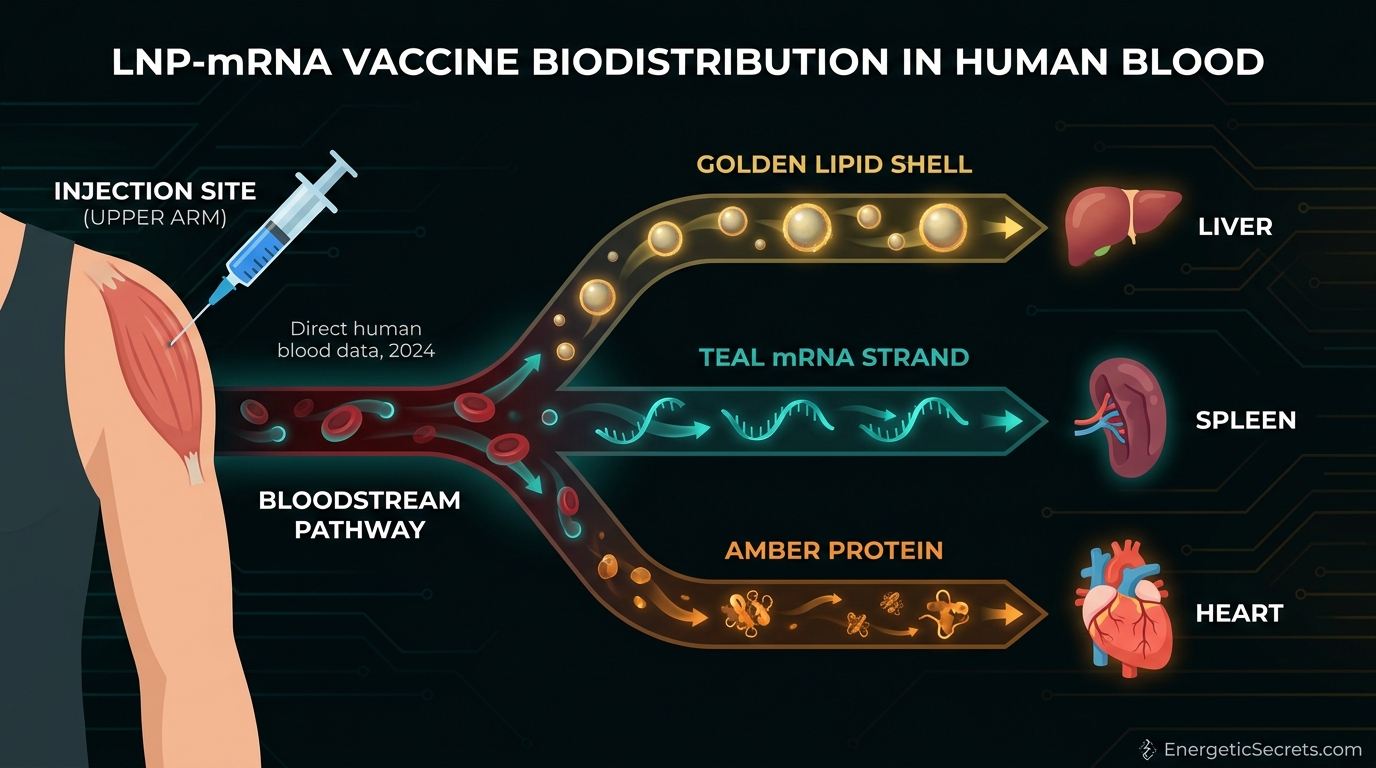
In October 2024, a team led by Stephen Kent at the University of Melbourne published something the field had been waiting for: direct measurement of LNP-mRNA vaccine components in human blood after vaccination [1]. Published in ACS Nano, one of the highest-impact journals in nanotechnology, the study confirmed what animal models had long suggested. These constructs do not stay politely in the deltoid muscle. They distribute systemically. We knew this years ago from an obscure, and largely ignored, Japanese leaked document on biodistribution but now we know the details.
The Study Japan Made Public
Here is the part that should have changed the conversation back in 2021. When Pfizer applied to Japan's drug regulator, the PMDA, for approval of its mRNA vaccine, the application included a pharmacokinetics report: the company's own animal data on where the lipid nanoparticles actually go. That document, section 2.6.4 of the application, was made public in 2021 after researchers requested it. It was not a peer-reviewed paper. It was the manufacturer's own regulatory filing, and it said something the public messaging never did [2].
In rats given the vaccine by intramuscular injection, most of the dose stayed at the injection site, but a measurable fraction did not. Over 48 hours, the lipid nanoparticles, tracked with a radioactive label, distributed mainly to the liver, the adrenal glands, the spleen, and the ovaries, with the highest concentrations showing up 8 to 48 hours after the dose. The liver took up the most, up to 18% of the injected dose. The spleen took up to 1%, the adrenal glands up to 0.11%, and the ovaries up to 0.095%.
What this means is that the "it stays in the deltoid" story was contradicted by the manufacturer's own data years before the 2024 human blood study confirmed it. The amounts reaching the ovaries and adrenals were small, and Pfizer's filing noted the repeat-dose studies showed no liver injury. But the point is not the size of the numbers. The point is that the distribution was known, documented, and largely ignored.
Three years later, Kent and his colleagues sampled blood from human vaccine recipients and found detectable LNP-mRNA components circulating beyond the injection site. This was not a modeling study or an extrapolation from mice. It was direct human data, and it shifted the burden of proof. The question was no longer "do these constructs distribute systemically?" but rather "what are the consequences of that distribution, and how long does it last?"
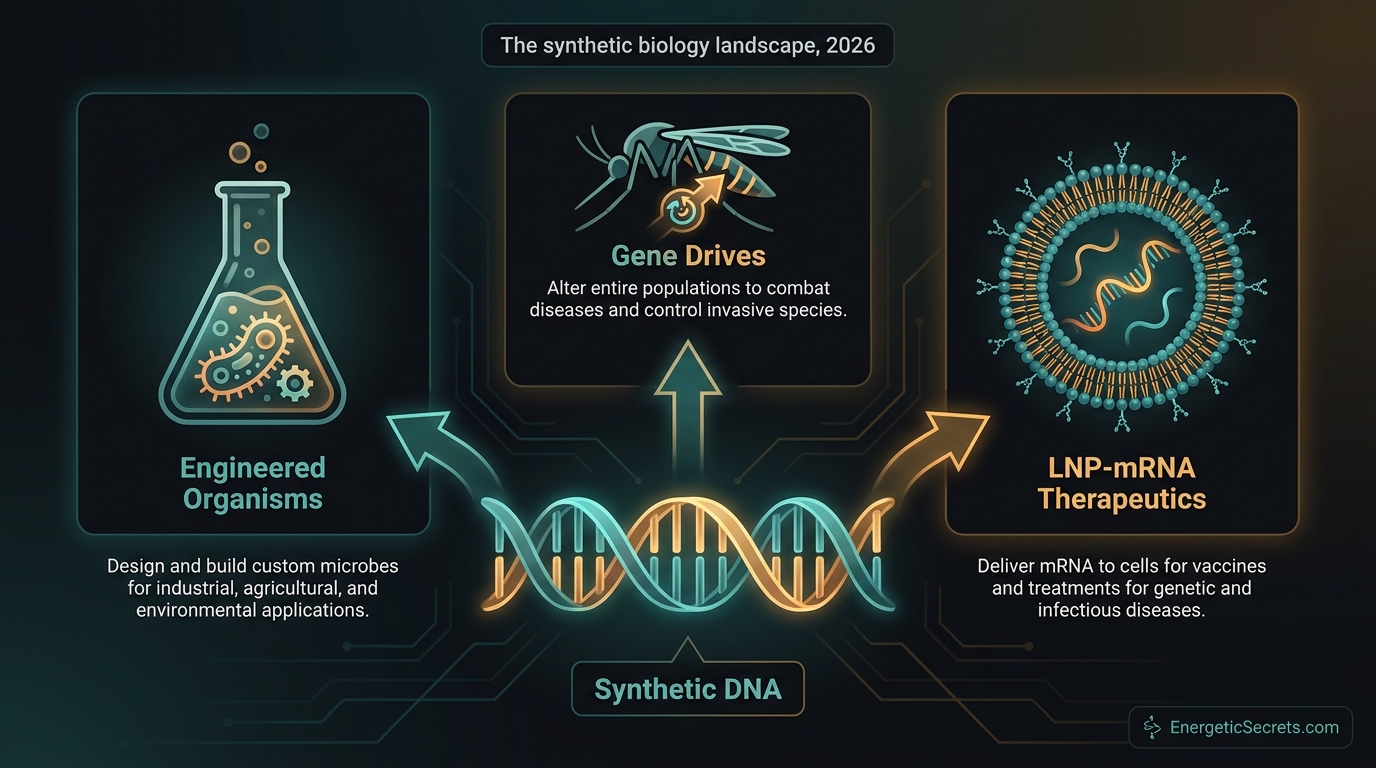
Here is what a lipid nanoparticle does, stated plainly. It is a tiny fat bubble that wraps around a strand of mRNA, protects it from being broken down, carries it across cell membranes, and lets the cell build a protein from the instructions inside. The same platform is being explored for cancer immunotherapy and CRISPR gene editing [3]. Whether that is a good thing is a question the industry is not asking. I just wish these technologies were being used to delivery a more natural payload and this wasn't so pharma directed.
And versatility cuts both ways. A delivery vehicle that can reach many tissue types is powerful medicine. It is also, by definition, harder to contain.
It Doesn't Stay Where You Put It
One of the more persistent assumptions in the early vaccine conversation in late 2020 and 2021 was that intramuscular injection meant local effect. The mRNA enters muscle cells near the injection site, those cells produce the (synthetic biology) spike protein, the immune system responds, and the components are cleared. Clean, contained, predictable.
The 2024 literature tells a more complicated story.
Bathula and colleagues demonstrated that self-amplifying RNA (saRNA) biodistribution varies dramatically depending on both the delivery vehicle and the route of administration [4]. Change the lipid formulation, change where the construct ends up. Change the injection route, change the expression kinetics. There is no single "biodistribution profile" for LNP-mRNA technology. There are many, and they depend on variables that are still being mapped.
Sandelius and colleagues took this a step further by tracking three things independently in a mouse model: the LNP carrier itself, the eGFP mRNA cargo, and the translated protein [5]. They found that these three components do not all go to the same places. The lipid shell, the nucleic acid payload, and the protein product each follow their own distribution pattern. If you only measure one, you are missing most of the picture.
Of course, mouse models are not humans. The Sandelius study used subcutaneous administration, not intramuscular, and the cargo was a fluorescent reporter protein, not a SARS-CoV-2 spike. But the principle it demonstrates is the important one: you cannot assume that measuring the protein tells you where the LNP went, or vice versa.
The Protein Corona Wildcard
Here is where things get genuinely interesting from a mechanism standpoint.
When a lipid nanoparticle enters the bloodstream, it does not travel naked. Within seconds, blood proteins coat its surface, forming what researchers call a protein corona. This corona is not a passive coating. It fundamentally changes how the particle behaves: which cells take it up, how quickly it is cleared, and which tissues it can access.
Van Straten and colleagues at Utrecht University showed something that should give anyone in the delivery field pause: the composition of that protein corona changes depending on which biofluid the LNP encounters [6]. The corona formed in blood plasma is different from the one formed in interstitial fluid or cerebrospinal fluid. Same particle, different biological identity, different destination.
This is not a flaw in LNP design. It is a feature of biology that we are only beginning to understand. And it means that predicting where a synthetic construct will end up inside a living human is, at present, more art than science.
The Modified Letter
There is a detail in these vaccines that almost nobody outside the lab talks about, and it is the detail that matters most for the question of safety.
The mRNA inside the vaccine is not the same RNA your body makes. Every uridine, one of the four letters of the RNA alphabet, has been swapped for a synthetic lookalike called N1-methylpseudouridine, or m1Ψ for short. The reason for the swap is the whole point of the technology: unmodified RNA sets off the body's alarm system, and the modified version slips past it quietly.
The science behind this is not disputed. Back in 2005, Katalin Karikó and Drew Weissman showed that swapping in modified letters stops the immune system's toll-like receptors from recognizing the RNA as foreign [7]. That is exactly why the modification is there: to hide the message from the immune system so the cell will read it and build the protein.
What this means is that the immune evasion is not a side effect. It is the design. And that is where the concern begins, because the alarm system being silenced is the same one the body uses to catch emerging cancer cells.
A 2021 paper by Xuhua Xia, a biologist at the University of Ottawa, dug into the actual sequence of the Pfizer and Moderna vaccines and found that the modified letter does not behave as cleanly as the original [8]. The m1Ψ letter wobbles more when it pairs up, which means the cell's machinery can misread the code and build a protein that was never intended. Xia warned that this could produce "a longer protein of unknown fate with potentially deleterious effects." In 2024, a team publishing in Nature confirmed the concern experimentally: the modified mRNA causes the ribosome to slip, producing occasional off-target proteins, and some vaccinated people mounted an immune response to those accidental proteins [9]. The authors reported no adverse outcomes in humans, but the mechanism is real.
We're talking about a product injected into billions of people, which in some cases is known to produce "off-target proteins" that some injected individuals mount an immune response to! Combine that with that straight-up fact that otherwise "healthy" individuals were dropping dead while those of us who were speaking out about it were gaslit and censored everywhere.
On the science level, the deeper concern is what the immune evasion does downstream. In 2022, a team that included Drew Weissman himself published a mouse study in Frontiers in Immunology comparing the modified vaccine against an unmodified one in a melanoma model [10]. The unmodified vaccine shrank tumors and slowed metastasis. The modified one did not, because the modification had blunted the type-I interferon response, the very signal the body uses to fight cancer.
A 2023 human study found the Pfizer vaccine lowered interferon-alpha and altered immune-cell gene expression long-term [11]. And a 2023 study in Science Immunology found that repeated mRNA vaccination shifts the body's antibodies toward a non-inflammatory type called IgG4, from 0.04% to 19.27% of spike-specific antibodies, with a reduced ability to trigger the immune system's cleanup functions [12].
To me this sounds like turning off the immune function but clearly that's an oversimplification.
In 2024, a peer-reviewed review in the International Journal of Biological Macromolecules put these pieces together and recommended that future mRNA vaccines not use 100% m1Ψ modification, precisely because of this immune-suppression concern [13].
Now, balance. The other side of this argument is real, and I will state it plainly. The developers and their supporters point out that the modification is why the vaccines produced strong antibody responses at all.
A 2021 review credited m1Ψ for the Pfizer and Moderna vaccines' roughly 90% efficacy compared to CureVac's 48% with unmodified mRNA [14]. But how well did those numbers hold up with time? Not so well, to the point that some later research showed negative efficacy for 5-11 year-olds for the Omicron variant [28].
A 2022 study found the modified mRNA produces faithful proteins in cell culture [15]. A 2024 mouse study found m1Ψ-based cancer immunotherapy was anti-tumor and non-toxic, directly contradicting the melanoma finding [16]. And the establishment view, laid out in a 2021 Nature Reviews Drug Discovery review, frames the modification as a breakthrough platform [17].
Framing is framing and pharma is great at that and commonly uses deceptive cancer "markers" that hide the missing long term survival data that is often absent as it rushes new drugs to market using short term markers that are supposed to represent real changes in outcomes, but often don't.
And some of us humans actually remember what we saw. Years marked with sudden death becoming the norm. Athletes at their prime dropping dead on the field and news anchors dropping live on the air. What an era of "breakthrough medicine"! Lest we forget, some of our adversaries wish we would.
But technically what this means is that the cancer concern rests on one mouse study plus a chain of mechanistic and human immune-modulation findings, and it is contested. But did we see "Turbo Cancers" before this "breakthrough medicine" was unleashed on billions of humans? Could something engineered with "immune bypass" allow a phenomenon like "Turbo Cancer"?
I am not going to tell you the science is settled. It is not. What I will tell you is that the modification exists to hide the vaccine from the immune system, that this hiding has measurable downstream effects on the immune system, and that the long-term question of what a lifetime of that immune suppression does has simply not been studied. For a technology rolled out to billions of people, that is not a reassuring answer.
The Cardiac Question
If there is one organ that has drawn the most attention in the vaccine safety literature, it is the heart.
Labonia and colleagues demonstrated that LNP-mRNA constructs can reach cardiac tissue when delivered via intramyocardial injection [18]. That study was in a therapeutic context (cardiac regeneration, not vaccination), so the relevance to intramuscular vaccine delivery is indirect. But it confirms something important: cardiac tissue is not off-limits to LNP-mRNA technology. The delivery vehicles can get there.
The pharmacovigilance data tells a parallel story. Pharmacovigilance is the system for tracking side effects after a drug or vaccine is approved and in wide use. Takada and colleagues analyzed Japan's national adverse event database (JADER) and documented a clear signal for myocarditis and pericarditis following mRNA vaccination [19]. A systematic review by Banerjee and colleagues, published in Cureus in early 2025, examined cohort studies and found consistent evidence of cardiac complications associated with COVID-19 "vaccination" [20].
Now, balance matters here, and the literature reflects it. Satyam and colleagues published a systematic review in Cardiovascular Toxicology that explicitly weighed both risks and benefits [21]. The cardiac signal is real and warrants continued monitoring. Acknowledging that is not anti-vaccine. It is basic pharmacovigilance.
What the Surveillance Systems Are Catching
The global pharmacovigilance infrastructure (VAERS in the United States, EudraVigilance in Europe, VigiBase at the WHO) is imperfect. These are passive reporting systems. They capture signals, not confirmed causality. But they are also publicly accessible and actively studied, which makes the "they're hiding the data" narrative hard to sustain. However, the filing systems for VAERS are complex, and the Harvard Ethics Review indicates a clear underreporting in this system.
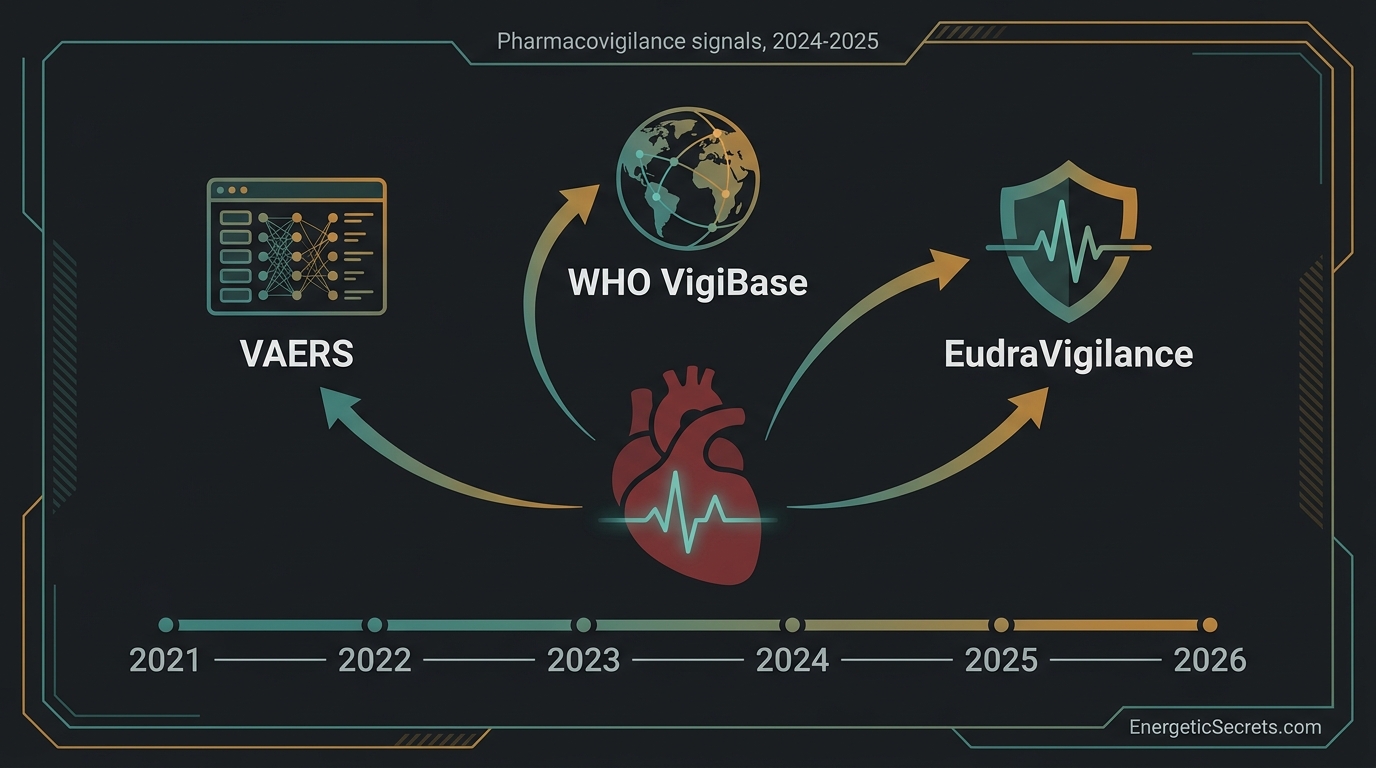
Jeong and colleagues published a remarkable analysis in 2025: 56 years of WHO VigiBase data on vaccine-associated hepatic autoimmune disorders [22]. From 1968 to 2024, across all vaccines, they identified patterns of liver-related autoimmune signals. mRNA vaccines appear among the associated products. This is not a smoking gun. It is a signal in a surveillance system designed to generate exactly this kind of signal.
Roque-Pereira and colleagues took a different approach, comparing adverse event profiles between COVID-19 and influenza vaccines in pregnant women using both VAERS and EudraVigilance data [23]. Their disproportionality analysis, published in Drug Safety in late 2025, found differences worth paying attention to. Pregnant women are routinely excluded from initial clinical trials, which makes post-market surveillance in this population especially important.
Lambo and colleagues documented adverse events following mRNA vaccination in Curaçao, a Caribbean population that had not been well represented in earlier studies [24]. The sample was small, and the study was observational. But it filled a gap: pharmacovigilance data from populations that are not North American or Western European.
I don't know the answer to whether these signals will consolidate into confirmed causal relationships over the next decade. Nobody does. And we of course don't yet know how the pharma cartel will spin any causal relationships that are established.
However, this is just in the published literature. The socially accepted facts are quite different for those who have been paying attention to "sudden deaths" in these last few years since this new era of "vaccines" have been unleashed on the human population.
The Governance Gap
Here is a question that should stop you: who is watching the people who build this stuff?
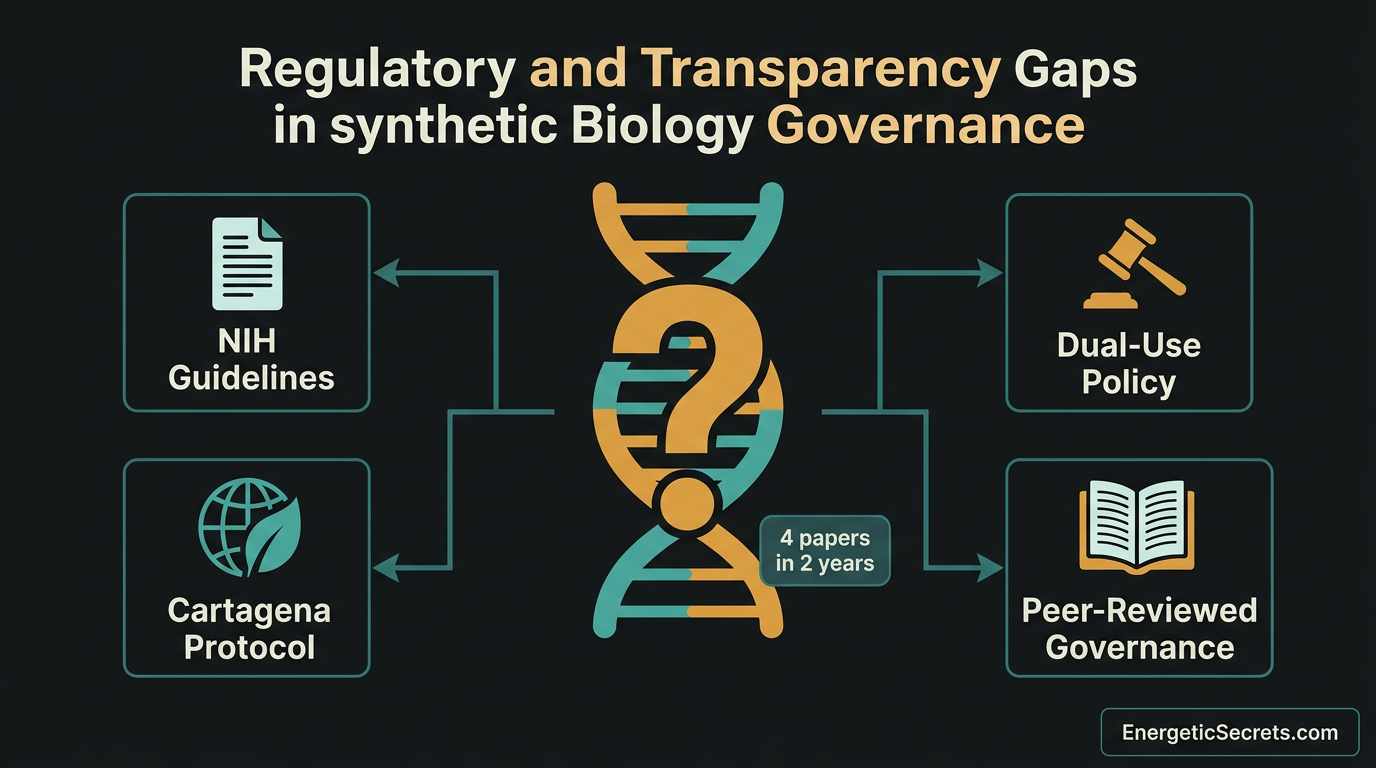
Scientists have a name for research that can be used for good or for harm: "dual-use research." The same knowledge that builds a vaccine can, in the wrong hands, build a weapon. That is why the rules exist: the NIH Guidelines, the Cartagena Protocol on Biosafety, and national biosafety laws in dozens of countries.
The problem is that almost nobody is checking whether those rules are actually adequate. When I went looking for peer-reviewed analysis of how we govern technologies that can rewrite the genetic code of living organisms, the literature was strikingly thin. A few papers, in two years, on a technology that is advancing by the month.
One of them, by David Gillum in mSphere, is titled with deliberate understatement: "A possible turning point for research governance in the life sciences" [25]. Gillum, a biosafety professional with decades of experience, argues that the current moment represents a window for reform, not a guarantee of it.
Sharma and colleagues published a comparative analysis of U.S. and Canadian dual-use research governance policies in Applied Biosafety [26]. Their recommendations are sensible: harmonize definitions, close jurisdictional gaps, increase transparency. The fact that these recommendations still needed to be made in 2025 is itself a finding.
In another study, Epstein traced the evolution of U.S. governance policies for research using pathogens with enhanced pandemic potential in the same journal [27]. The history is one of reactive policymaking: a crisis, a temporary clampdown, a gradual loosening, then the next crisis. The pattern has not changed.
Sometimes all this just makes me wonder who the real enemy is?
Suffice it to say, the governance literature is thin. That does not mean synthetic biology is unregulated. It is not. But the peer-reviewed analysis of whether those frameworks are adequate is strikingly sparse. When the technology is advancing at the pace of quarterly journal issues and the governance analysis is producing a few papers in two years, there is a mismatch.
Gene Drives and the Environmental Question
The gene drive literature tells a similar story of acceleration outpacing oversight. Gene drives are genetic constructs designed to spread through wild populations, overriding normal inheritance patterns. The applications range from malaria control (engineering mosquito populations that cannot transmit the parasite) to agricultural pest management. The field is active, well-funded, and moving fast.
The thing is, almost all of this work is laboratory-contained. When I went looking for peer-reviewed work on how to keep an engineered organism contained, and how to retrieve it if something goes wrong, the containment science was a small fraction of the engineering literature. The people building the technology outnumber the people studying how to keep it from escaping.
This is not evidence that gene drives have been released into the wild. They have not, as far as the published literature shows. I am quite skeptical of this when it appears Bill Gates and his cronies are releasing millions of genetically modified mosquitos on a regular basis.
Even so, let's pretend that hasn't happened, it is evidence that the containment science (how do you keep an engineered organism where you put it, and how do you retrieve it if something goes wrong?) is not receiving the same research attention as the engineering itself.
What We Still Don't Know
If you have read this far, you have probably noticed a pattern. For every finding the 2024-2025 literature gives us, there is a corresponding gap.
We now have direct human evidence that LNP-mRNA constructs distribute systemically in blood [1]. We do not have long-term (greater than three-year) tissue persistence data in humans. Most biodistribution studies are either animal models or short-term human blood sampling. True long-term tracking, the kind that would tell us whether these constructs or their protein products persist in tissues years after administration, is absent from the literature.
We know that biodistribution varies by delivery vehicle and route [4]. We do not have comprehensive mapping of all clinically used formulations across all relevant tissue types. The studies that exist are valuable but piecemeal.
We know that pharmacovigilance systems are catching signals [19,20,22,23]. We do not know which of those signals will consolidate into confirmed causal relationships, because that kind of confirmation takes time and dedicated follow-up studies that have not yet been done.
We know that governance frameworks exist. We do not know whether they are adequate, because almost nobody in the peer-reviewed literature is asking that question systematically [25,26,27].
And we know that gene drive technology is advancing rapidly. We do not know whether containment science is keeping pace, because the published evidence suggests it is not. I suspect the regulators are also asleep at the wheel.
These are not conspiracy theories. They are research gaps, documented in the peer-reviewed literature, acknowledged by the researchers working in these fields. The difference matters. Maybe the "why" is where the conspiracy sits in 2026.
In Closing
The synthetic biology revolution is not going to slow down. LNPs, mRNA therapeutics, gene drives, and engineered cell therapies are moving forward "with the speed of science". The question is not whether to use these tools, because those of us in natural health can't control the medical cartel. It is whether we are building the measurement and oversight infrastructure to see what sort of mistakes will be made.
After all, the history of technology is littered with examples of deployment outpacing understanding. Asbestos. Leaded gasoline. Thalidomide. In each case, the harm was not caused by malice, at least we hope it wasn't and may not have evidence for it. It was caused by a gap between what we could do and what we had bothered to measure.
The 2024-2025 literature gives us a clear picture of where those gaps are in synthetic biology. The blood distribution data is real. The pharmacovigilance signals are real. The governance literature is thin. The long-term persistence data is absent. None of this is hidden. It is all published, peer-reviewed, and publicly accessible.
The question is what we do, or do not do with it.
References
1. Kent SJ, Li S, Amarasena TH, et al. Blood Distribution of SARS-CoV-2 Lipid Nanoparticle mRNA Vaccine in Humans. ACS Nano. 2024;18(39):27077-27089. PMID 39298422
2. Pfizer/BioNTech. SARS-CoV-2 mRNA Vaccine (BNT162, PF-07302048): 2.6.4 Pharmacokinetics Written Summary. Japan PMDA regulatory submission, 2021. English translation (archive.org)
3. Walther J, Porenta D, Wilbie D, et al. Comparative analysis of lipid Nanoparticle-Mediated delivery of CRISPR-Cas9 RNP versus mRNA/sgRNA for gene editing in vitro and in vivo. Eur J Pharm Biopharm. 2024;196:114207. PMID 38325664
4. Bathula NV, Friesen JJ, Casmil IC, et al. Delivery vehicle and route of administration influences self-amplifying RNA biodistribution, expression kinetics, and reactogenicity. J Control Release. 2024;374:28-38. PMID 39097193
5. Sandelius Å, Naseer H, Lindqvist J, Wilson A, Henderson N. Biodistribution of lipid nanoparticle, eGFP mRNA and translated protein following subcutaneous administration in mouse. Bioanalysis. 2024;16(14):721-733. PMID 38940441
6. van Straten D, Sork H, van de Schepop L, Frunt R, Ezzat K, Schiffelers RM. Biofluid specific protein coronas affect lipid nanoparticle behavior in vitro. J Control Release. 2024;373:481-492. PMID 39032575
7. Karikó K, Buckstein M, Ni H, Weissman D. Suppression of RNA recognition by Toll-like receptors: the impact of nucleoside modification and the evolutionary origin of RNA. Immunity. 2005;23(2):165-175. PMID 16111635
8. Xia X. Detailed Dissection and Critical Evaluation of the Pfizer/BioNTech and Moderna mRNA Vaccines. Vaccines (Basel). 2021;9(7):734. PMID 34358150
9. Mulroney TE, Pöyry T, Yam-Puc JC, et al. N1-methylpseudouridylation of mRNA causes +1 ribosomal frameshifting. Nature. 2024;625(7993):189-194. PMID 38057663
10. Sittplangkoon C, Alameh MG, Weissman D, et al. mRNA vaccine with unmodified uridine induces robust type I interferon-dependent anti-tumor immunity in a melanoma model. Front Immunol. 2022;13:983000. PMID 36311701
11. Föhse K, Geckin B, Zoodsma M, et al. The impact of BNT162b2 mRNA vaccine on adaptive and innate immune responses. Clin Immunol. 2023;255:109762. PMID 37673225
12. Irrgang P, Gerling J, Kocher K, et al. Class switch toward noninflammatory, spike-specific IgG4 antibodies after repeated SARS-CoV-2 mRNA vaccination. Sci Immunol. 2023;8(79):eade2798. PMID 36548397
13. Rubio-Casillas A, Cowley D, Raszek M, Uversky VN, Redwan EM. Review: N1-methyl-pseudouridine (m1Ψ): Friend or foe of cancer? Int J Biol Macromol. 2024;267(Pt 1):131427. PMID 38583833
14. Morais P, Adachi H, Yu YT. The Critical Contribution of Pseudouridine to mRNA COVID-19 Vaccines. Front Cell Dev Biol. 2021;9:789427. PMID 34805188
15. Kim KQ, Burgute BD, Tzeng SC, et al. N1-methylpseudouridine found within COVID-19 mRNA vaccines produces faithful protein products. Cell Rep. 2022;40(9):111300. PMID 35988540
16. Hangiu O, Navarro R, Frago S, et al. Effective cancer immunotherapy combining mRNA-encoded bispecific antibodies that induce polyclonal T cell engagement. Front Immunol. 2024;15:1494206. PMID 39835115
17. Chaudhary N, Weissman D, Whitehead KA. mRNA vaccines for infectious diseases: principles, delivery and clinical translation. Nat Rev Drug Discov. 2021;20(11):817-838. PMID 34433919
18. Labonia MCI, Estapé Senti M, van der Kraak PH, et al. Cardiac delivery of modified mRNA using lipid nanoparticles: Cellular targets and biodistribution after intramyocardial administration. J Control Release. 2024;369:734-745. PMID 38604385
19. Takada K, Taguchi K, Samura M, et al. SARS-CoV-2 mRNA vaccine-related myocarditis and pericarditis: An analysis of the Japanese Adverse Drug Event Report database. J Infect Chemother. 2025;31(1):102485. PMID 39103148
20. Banerjee I, Robinson J, Banerjee I. Cardiac Complications Associated With COVID-19 Vaccination: A Systematic Review of Cohort Studies. Cureus. 2025;17(2):e78535. PMID 40062079
21. Satyam SM, El-Tanani M, Bairy LK, et al. Unraveling Cardiovascular Risks and Benefits of COVID-19 Vaccines: A Systematic Review. Cardiovasc Toxicol. 2025;25(2):306-323. PMID 39826014
22. Jeong J, Jo H, Park J, et al. Global Estimates of Vaccine-Associated Hepatic Autoimmune Disorders and Their Related Vaccines, 1968-2024: An International Analysis of the WHO Pharmacovigilance Database. Int Arch Allergy Immunol. 2025;186(7):696-702. PMID 39622209
23. Roque-Pereira L, Sisay MM, Ogar CK, et al. Comparison of Adverse Events in Pregnant Persons Receiving COVID-19 and Influenza Vaccines: A Disproportionality Analysis Using Combined Data from US VAERS and EudraVigilance Spontaneous Report Databases. Drug Saf. 2025;48(10):1127-1139. PMID 40495022
24. Lambo J, Keli S, Kaplan SK, et al. The descriptive epidemiology of adverse events following two doses of mRNA COVID-19 vaccination in Curaçao, the Caribbean. Infect Dis (Lond). 2025;57(2):137-149. PMID 39226235
25. Gillum DR. A possible turning point for research governance in the life sciences. mSphere. 2025 Aug 26. PMID 40693791
26. Sharma RM, Cürük Y, Joamets K. Governing Dual-Use Research of Concern in the Life Sciences: United States and Canada Policy Comparative Analysis and Recommendations. Appl Biosaf. 2025 Jun. PMID 40548094
27. Epstein GL. The Evolution of United States Governance Policies for Research Using Pathogens with Enhanced Pandemic Potential. Appl Biosaf. 2025 Jun. PMID 40548091
Disclaimer: I am not a health professional of any kind and make no medical claims. I am just a researcher who likes to dig deep on effective methods to keep them from being lost to the dust bin of history. And I like to write about what I learn. So please do your own research. Nothing in this article should be considered medical advice. None of the statements have been evaluated by the FDA. Not intended to diagnose, treat, cure or prevent any disease. If you have a medical condition seek professional help. |



10 Comments
Join the conversation
The asbestos and leaded gasoline comparison at the end stuck with me. History does repeat when nobody bothers to measure things until later.
18 percent going to the liver in the rats? I had no idea. Why was none of this ever explained to us at the pharmacy counter.
The turbo cancer stuff loses me a bit, that feels like a leap. The immune modulation findings though those are real papers so I dont know what to think.
I still got my shots and would again. But the point about long term persistence data being missing is fair. We just dont have the years yet.
The gene drive mosquitos part is what scares me honestly. Releasing engineered bugs and barely anyone studying how to get them back. That should worry everybody.
I appreciate that the writer keeps saying the science isnt settled. Too many people on both sides act like they know for certain and they dont.
Long article but at least it links every claim to a pubmed number. You can go check them yourself, thats more than most of the stuff I see online.
My cousin got myocarditis after his second shot, young guy in good shape. Doctors kept saying it was rare. Reading this cardiac section it doesnt feel so rare.
The protein corona bit is actually really interesting. Same particle acts different depending on what fluid it hits. Wild that we still cant predict where it ends up.
So the Japan document said the stuff goes to the ovaries and liver back in 2021 and they still told us it stays in your arm? That part got me.